10 things for New Mexicans to know about measles in 2026
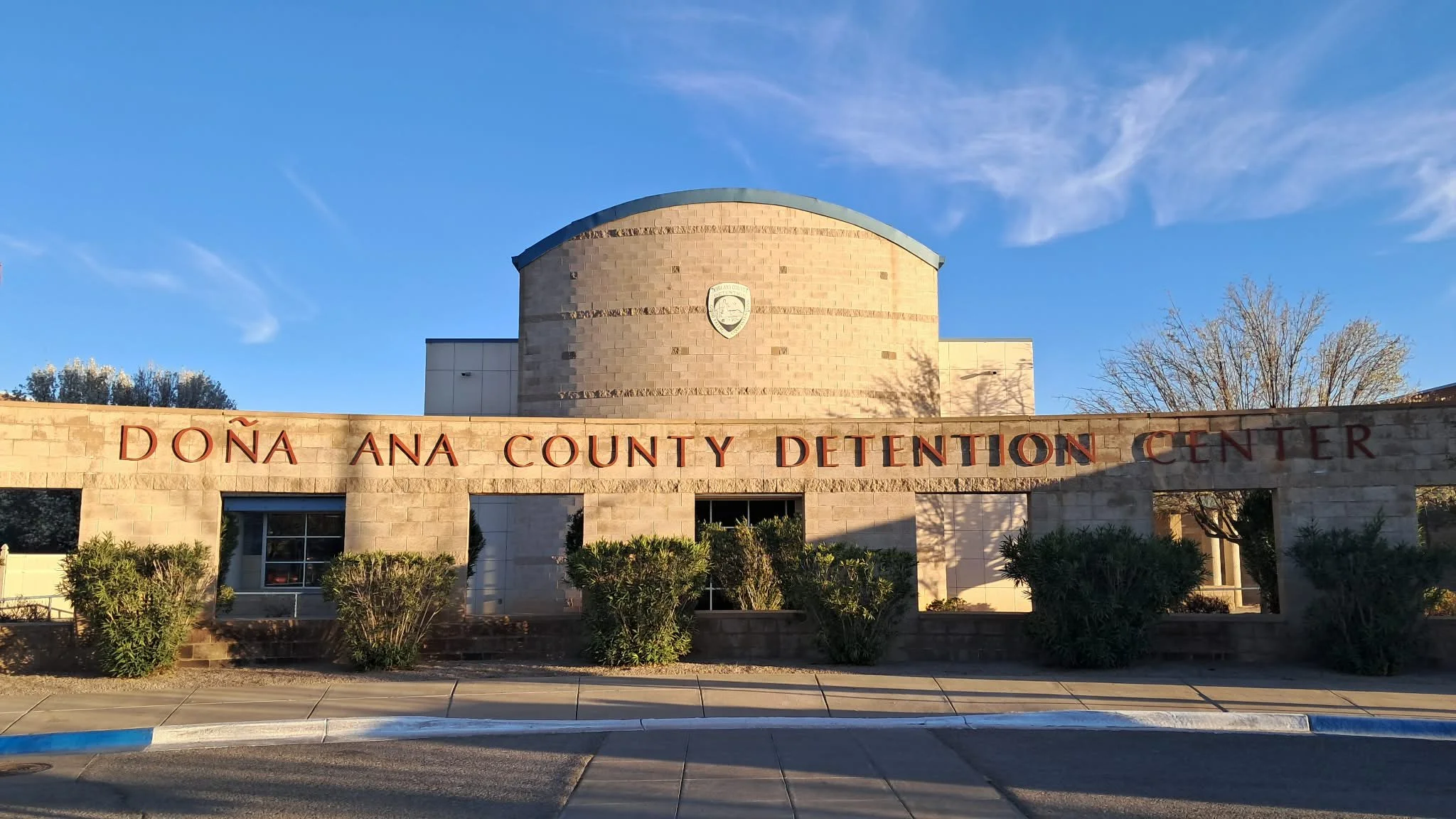
Inmates in the the Doña Ana County Detention Center are among the first identified measles cases in New Mexico in 2026. (Photo by Diana Alba Soular/ SNMJC)
Editor’s Note: This article is one in a series examining measles in Southern New Mexico.
LAS CRUCES – For more than a quarter of a century, measles has been considered effectively contained in the United States. But an outbreak in New Mexico last year and continued outbreaks across the nation serve as warning signs the sometimes deadly disease can once again gain a foothold, if vaccination rates continue to drop nationwide.
Last year’s outbreak in New Mexico has been declared over. But that doesn’t mean new cases can’t arise. In fact, so far this year, six cases have been identified through March 3, 2026, in detention centers in Doña Ana County, Luna and Hidalgo Counties, public health officials announced.
Given the ongoing risks, here are 10 things to know about measles:
What is measles?
It’s a highly contagious respiratory virus that – like COVID-19 – is spread when an infected person breathes, coughs or sneezes, releasing invisible droplets that can sicken other people. Measles can remain infectious in the air for up to 2 hours, according to the Centers for Disease Control and Prevention. In a room of 10 unvaccinated people who were exposed, an estimated 9 would contract the virus.
2. What are the symptoms?
Symptoms may show up 7 to 14 days after a person is exposed, according to the CDC. Those may include fever, dry cough, a runny nose and red, watery eyes.
About 2 to 3 days after the onset of symptoms, tiny white spots known as “Koplik spots” may appear inside the mouth.
About 3 to 5 days after the first symptoms show, a rash of large flat spots and small raised bumps appears, starting on the face near the hairline and spreading down towards the legs.
3. Where does measles come from?
The virus has been around for several thousands of years, originating in cattle and similar species. But it now exists as a disease affecting only humans and can be found worldwide. Public health officials say “herd immunity” is reached when at least 95% of the population has been vaccinated with two doses against measles. This extends protection to those – like infants – who can’t receive the vaccine and don’t have robust immune systems, and it prevents outbreaks. Despite significant strides globally with immunization campaigns, the number of people who’ve received a vaccination – about 83% of people, according to UNICEF – is far lower than that threshold, creating conditions for the virus to spread, including from international travel.4. What’s the best way to guard against infection?
Most public health officials adamantly say the measles vaccine – administered with other vaccines as measles-mumps-rubella, or MMR, is the best way to protect against the virus. (Sometimes a fourth vaccine, varicella, which protects against chickenpox is also included.)
5. What are the recommended ages to get a vaccine?
The first dose of a two-part series is given to a child between the ages of 12 and 15 months, and a second is given between the ages of 4 and 6 years, according to the CDC. Vaccination may be advised in some cases for people in older age groups, based on their vaccination history and health. Talk with your doctor, a pharmacy or the New Mexico Department of Health (1-833-796-8773) to access vaccines.
6. How much protection does the measles vaccine offer?
One dose of measles vaccine offers 93% protection against illness, and two doses offer 97%, according to the CDC. The vaccine is believed to offer lifelong immunity against measles for most people. A person who gets measles and survives also has immunity for life.
7. Are there side effects from the MMR vaccine?
There can be side effects, but they are usually minor and rare. Experts say the risks from complications of a case of measles far outweigh in severity the risks from the vaccine.
Per the CDC, side effects of the shot can include:
Soreness, redness, or swelling where the vaccine was given
Fever
Mild rash
Temporary pain and stiffness in the joints
More serious side effects are rare but can include a high fever leading to seizures or a severe allergic reaction.
8. Can a person die from measles?
Yes. While deaths have been rare in the U.S. in recent decades, thanks to a decades-long campaign that started with the first licensed measles vaccine in 1963, measles vaccination rates have declined among kindergarteners since the COVID-19 pandemic, according to KFF, a health policy research organization. This is against a backdrop of declining public trust in vaccines, despite the MMR vaccine being widely considered safe, and mixed messages from the President Trump administration over the safety of vaccines. As those vaccination rates decline, the risk of outbreaks – and deaths – rises. Prior to the vaccine’s development, about 500 people in the U.S. died from measles each year, according to the CDC. Globally, in 2024, some 95,000 people died – mostly unvaccinated and undervaccinated children – from this preventable disease, according to the World Health Organization.
9. What are possible complications of measles?
Severe complications are possible from measles, according to the World Health Organization and the CDC. About 1 in 5 unvaccinated people who get measles in the U.S. is hospitalized. Young children and pregnant women are most at risk for severe complications that may include:
blindness
encephalitis (an infection causing brain swelling and potentially brain damage)
ear infections
severe diarrhoea and related dehydration
severe breathing problems including pneumonia
problems during pregnancy, including premature birth and low birth-weight babies
Subacute Sclerosing Panencephalitis (SSPE) – a very rare, but fatal disease of the central nervous system that develops 7 to 10 years after a case of measles
10. Where can I get more information about vaccines in New Mexico?
Reach out to the New Mexico Department of Health Helpline at 1-833-796-8773 or text NMDOH (66364) to:
Ask questions about measles, vaccines or other medical questions in English or Spanish
Get guidance on measles exposures
Access vaccination records
Report cases
This reporting was made possible thanks to a grant from the Puente News Collaborative, based in El Paso.